





DC Scandal's Shadow: Puerto Rico & Federal Trust at Stake
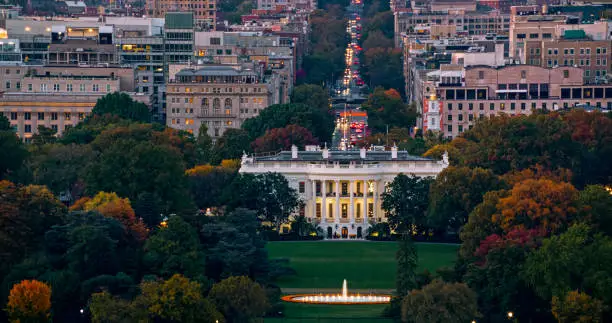
WASHINGTON D.C. – A new wave of revelations surrounding the connections between former President Donald Trump and the late financier Jeffrey Epstein, reportedly exposed just a mile and a half from the White House, has reignited a national conversation about power, influence, and accountability at the highest levels of American society. While the immediate focus of these disclosures centers on Washington D.C.'s corridors of power, their implications extend far beyond the capital, casting a long shadow that reaches communities like Puerto Rico, which remains intricately tied to the mainland's political integrity.
For many Puerto Ricans, both on the island and across the diaspora in cities like New York, the continuous unraveling of scandals involving prominent U.S. figures is more than just distant news. It touches upon a fundamental concern: the trustworthiness and integrity of the federal government that holds ultimate sway over the island's future. Puerto Rico, a U.S. territory, operates under a unique political status, making it highly dependent on federal decisions, aid, and oversight. This dependency means that any erosion of public faith in Washington's leadership, particularly concerning issues of ethical conduct and accountability, is felt acutely.
A History of Disillusionment and the Search for Trust
The relationship between Puerto Rico and the U.S. federal government has been fraught with challenges, particularly in recent years. The aftermath of Hurricane Maria in 2017 exposed significant vulnerabilities in federal disaster response and highlighted a perceived disconnect between Washington's priorities and the island's dire needs. Former President Trump's administration, in particular, faced widespread criticism for its handling of the crisis, with many Puerto Ricans feeling neglected or even disrespected. This historical context provides a critical lens through which the community views new revelations of impropriety involving former federal leaders.
“When you see these stories about powerful people seemingly operating above the law, it makes you wonder about the decisions that affect our island,” says María Rodríguez, a community organizer in the Bronx, home to one of the largest Puerto Rican populations outside the island. “We rely on the federal government for so much – aid, infrastructure, even our basic rights. If the people at the top aren't held accountable, what does that mean for us?”
The Epstein saga, characterized by allegations of sex trafficking and a network of powerful associates, represents a profound failure of justice and ethics. When such figures are linked to former presidents, it can deepen public cynicism. For a territory like Puerto Rico, which often feels marginalized in the national discourse, these revelations can exacerbate feelings of vulnerability and distrust in the very institutions meant to protect and serve.
The Diaspora's Perspective: A Call for Accountability
The Puerto Rican diaspora in New York and other U.S. cities plays a crucial role in advocating for the island's interests. Engaged in both local and federal politics, this community often serves as a vital bridge, translating mainland political events into meaningful discussions about their impact on Puerto Rico. For them, the Trump-Epstein connections are not just a sensational headline but a symbol of a broader systemic issue.
“These scandals aren't just about individual bad actors; they point to a culture where power can shield people from consequences,” explains Dr. Carlos Rivera, a political science professor at CUNY, whose research focuses on U.S.-Puerto Rico relations. “For Puerto Rico, where the perception of fairness and equitable treatment from Washington is always a concern, anything that undermines trust in federal institutions is detrimental. It makes the already difficult task of advocating for the island's needs even harder.”
The ongoing debates about Puerto Rico's political status – whether statehood, independence, or an enhanced commonwealth – are fundamentally predicated on trust. Trust that the U.S. government will honor its commitments, provide fair representation, and uphold the rule of law. When high-profile scandals emerge, particularly those implicating former commanders-in-chief, they inevitably fuel skepticism and frustration within the community regarding the integrity of the entire federal system.
Looking Ahead: The Enduring Need for Transparency
As the details of the Trump-Epstein connection continue to emerge, the broader implications for federal accountability and public trust will undoubtedly remain a central theme in American politics. For Puerto Rico, these events serve as a stark reminder of its unique position within the U.S. political framework and the critical importance of strong, ethical governance in Washington.
The call from the Puerto Rican community, both on the island and in the diaspora, is clear: for transparency, for justice, and for a federal government that demonstrates an unwavering commitment to the rule of law, not just for its mainland citizens, but for all who live under its jurisdiction, including the 3.2 million Americans in Puerto Rico who often feel the ripple effects of D.C.'s shadows most profoundly.
In a political climate already strained by division and disillusionment, the ongoing revelations about powerful figures and their alleged misdeeds underscore the urgent need for a renewed focus on ethical leadership and accountability – a focus that is essential for fostering trust and ensuring a just future for Puerto Rico.
Related News
Puerto Rico Transparency Battle: CPI Sues House
 Ethan Calloway
June 30, 2026
Ethan Calloway
June 30, 2026
Puerto Rico Welcomes New U.S. Citizens in San Juan Ceremony
Ethan Calloway
June 29, 2026
Puerto Rico's Constitution Day Celebrated in Rome
Ethan Calloway
June 29, 2026
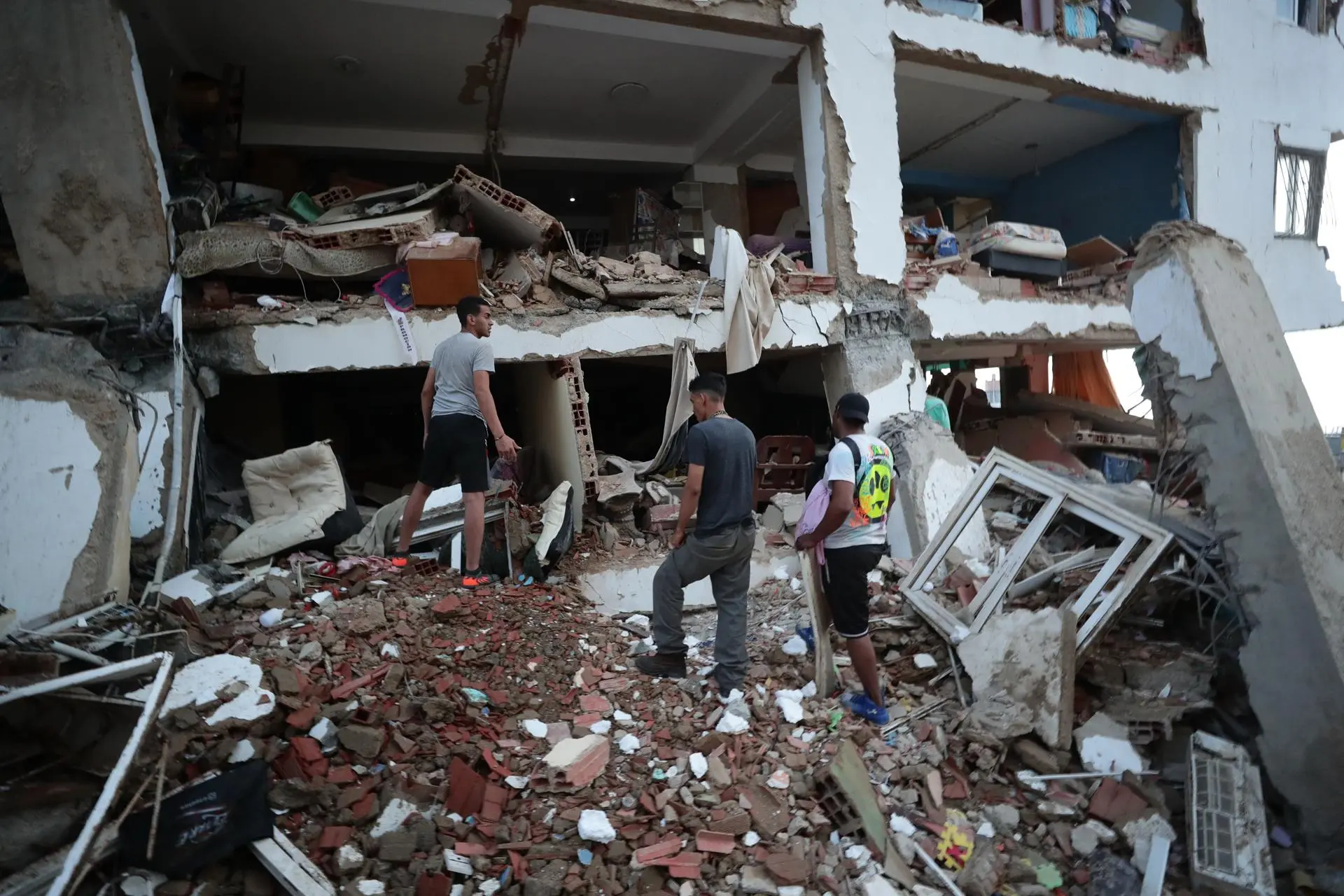
Puerto Rico Weighs Venezuela Aid Amidst Unique Political Complexities
Ethan Calloway
June 26, 2026