





Puerto Rico Transparency Battle: CPI Sues House
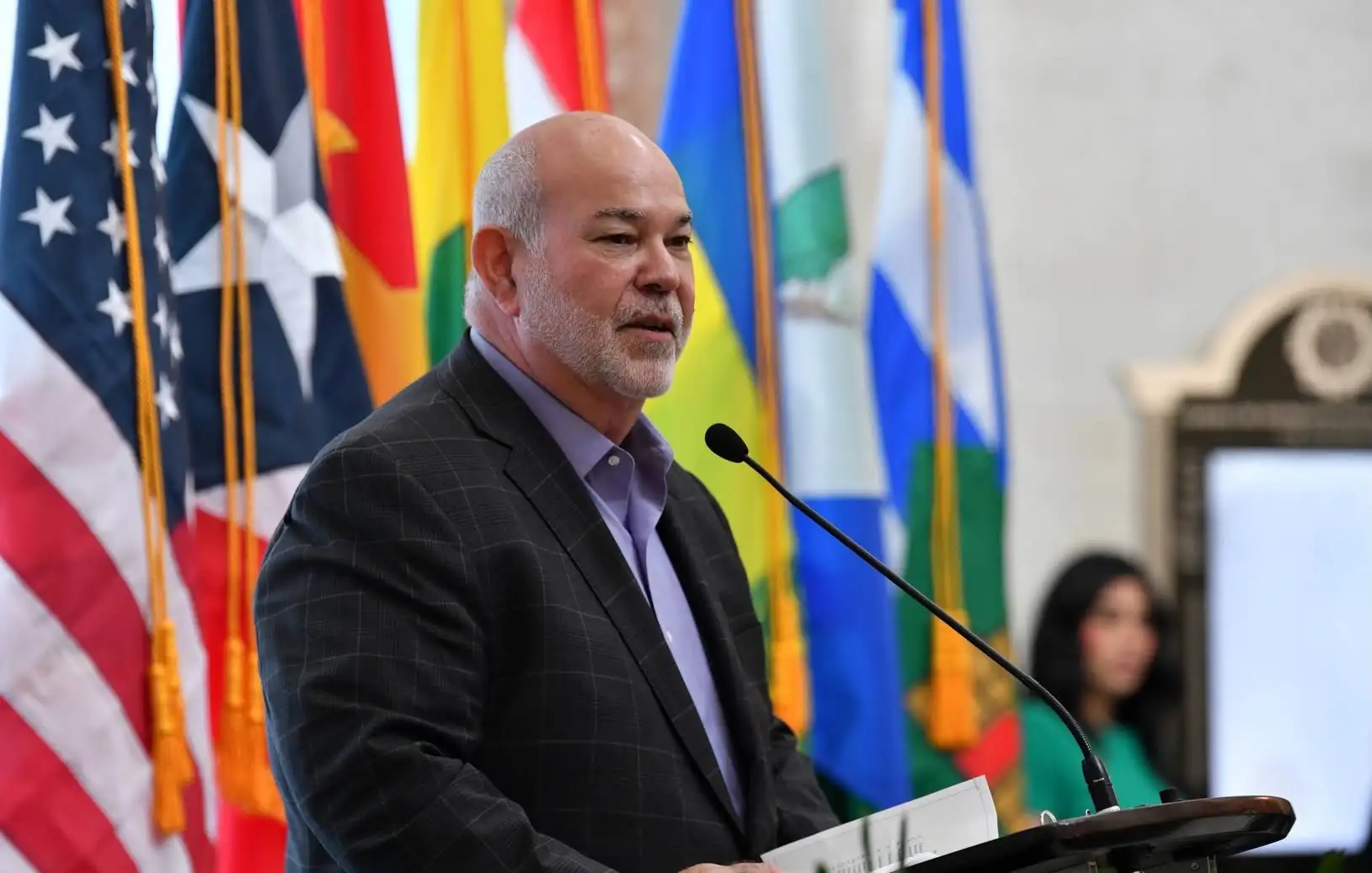
SAN JUAN, Puerto Rico – The battle for government transparency in Puerto Rico has escalated as the influential Center for Investigative Journalism (CPI) has filed a lawsuit against the island's House of Representatives. The legal action seeks to compel the legislative body to release crucial information regarding the extra-legislative income of its members, a move that could shed light on potential conflicts of interest and bolster public accountability.
The CPI, known for its tenacious pursuit of public records and its impactful reporting on issues ranging from environmental concerns to government corruption, initiated the lawsuit after repeated requests for the financial data were reportedly denied or ignored by the House. This information, which details income sources beyond legislators' official salaries, is deemed vital for understanding potential undue influences on policy-making and maintaining public trust in the government.
For a New York readership deeply connected to the island, this lawsuit resonates with long-standing concerns about governance and fiscal responsibility in Puerto Rico. The island, a U.S. territory, has grappled with a prolonged debt crisis, natural disasters, and a history punctuated by public corruption scandals, making transparency in its government not merely a matter of good practice, but a critical imperative for its future stability and development.
“Our mission is to ensure that the public has access to information that is rightfully theirs, especially when it pertains to the financial dealings of their elected officials,” stated a representative for the CPI, speaking on the condition of anonymity due to ongoing legal proceedings. “Understanding where legislators derive their income outside of their public service is fundamental to identifying and preventing conflicts of interest that could compromise their duties to the people of Puerto Rico.”
The CPI's legal challenge hinges on Puerto Rico's public information laws, which, while not as robust as some U.S. state equivalents, are intended to provide citizens access to government records. The lawsuit argues that the extra-legislative income of representatives falls squarely within the scope of public information, essential for overseeing ethical conduct and ensuring that legislative decisions are made in the public interest, rather than for personal gain.
The Importance of Extra-Legislative Income Data
The financial disclosures sought by the CPI are more than just a matter of curiosity; they are a cornerstone of democratic accountability. Legislators, by virtue of their positions, wield significant power over laws, budgets, and public policy. Knowledge of their outside financial interests can reveal whether personal investments, business ventures, or employment with private entities could sway their votes or influence their legislative agendas.
In a political environment as complex as Puerto Rico's, where the lines between public service and private enterprise can sometimes blur, this information becomes even more critical. The island's unique political status as a U.S. territory means that while it operates with a degree of internal autonomy, its fiscal health and governance are also subject to federal oversight and the implications of its relationship with the mainland.
“Transparency is the bedrock of good governance, especially in a jurisdiction like Puerto Rico that is still navigating its way out of a severe fiscal crisis and rebuilding public trust after years of challenges,” commented Dr. Elena Rodríguez, a political science professor at the University of Puerto Rico. “This lawsuit is not just about a specific piece of information; it's about setting a precedent for accountability that could have long-lasting positive effects on the island's political culture.”
The House of Representatives has yet to issue a formal public statement regarding the lawsuit, but their previous resistance to releasing such data often cites privacy concerns of individual legislators. However, proponents of transparency argue that the public interest in knowing about potential conflicts of interest outweighs individual privacy when it comes to elected officials.
Resonance with the Diaspora
For the Puerto Rican diaspora in New York and across the United States, news of the CPI's legal action is likely to be met with strong support. Many in the diaspora remain deeply invested in the island's well-being and are often vocal critics of perceived corruption or lack of accountability in its government. They see such efforts as crucial for ensuring that the island can effectively recover and thrive.
The outcome of this lawsuit could have significant implications beyond the immediate release of financial data. A victory for the CPI could establish a stronger legal precedent for public access to government information, empowering citizens and journalists alike to hold their leaders to a higher standard of transparency. Conversely, a setback could embolden government bodies to withhold information, further eroding public trust.
As the legal process unfolds, all eyes will be on the courts to determine whether the public's right to know will prevail, reinforcing the principles of open government and ethical leadership in Puerto Rico.
Related News

Puerto Rico Welcomes New U.S. Citizens in San Juan Ceremony
 Ethan Calloway
June 29, 2026
Ethan Calloway
June 29, 2026
Puerto Rico's Constitution Day Celebrated in Rome
Ethan Calloway
June 29, 2026

Puerto Rico Weighs Venezuela Aid Amidst Unique Political Complexities
Ethan Calloway
June 26, 2026
Power Grid Battle: LUMA Countersues Puerto Rico Government
Ethan Calloway
June 24, 2026