





Puerto Rico Weighs Venezuela Aid Amidst Unique Political Complexities
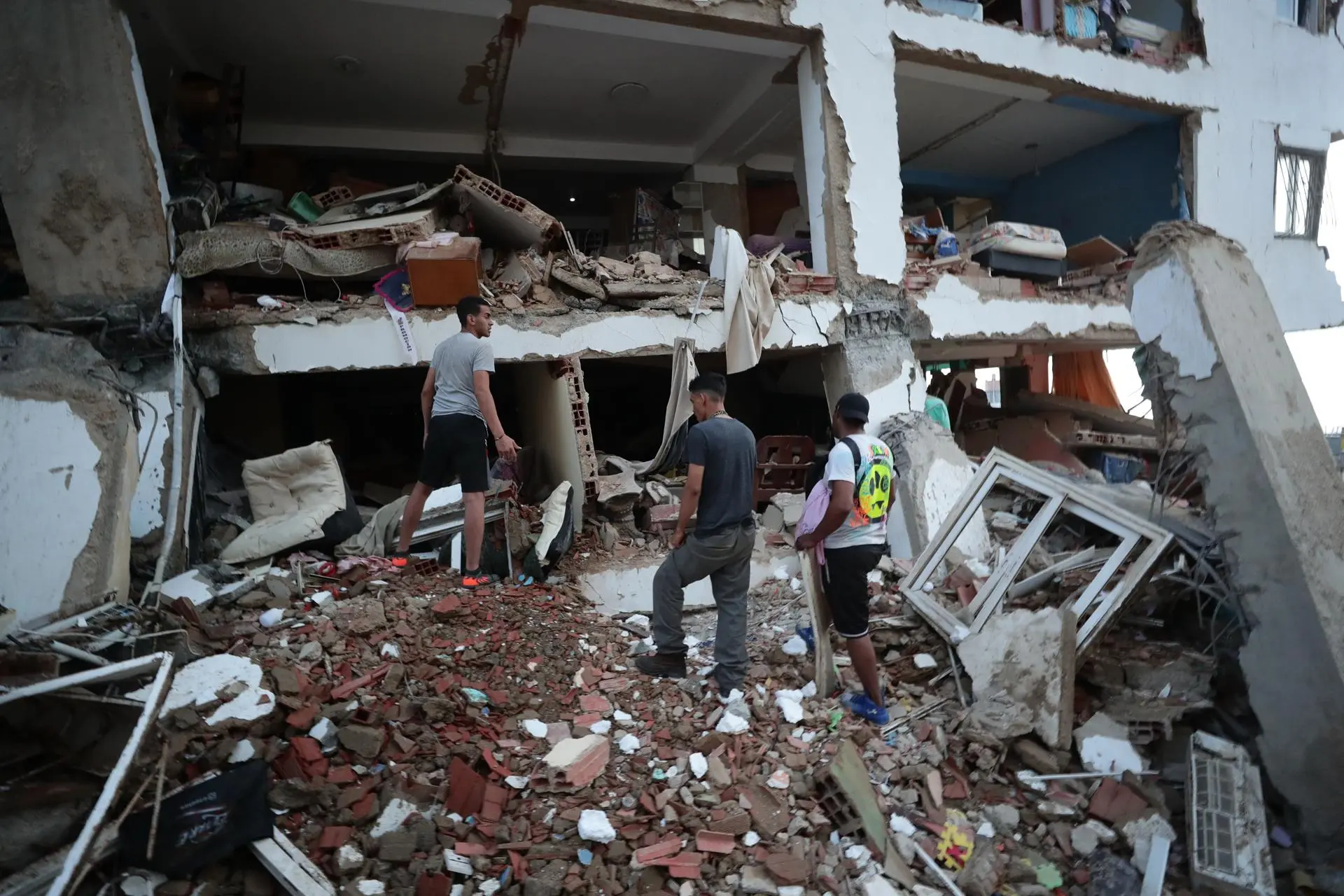
SAN JUAN, PR – The government of Puerto Rico is currently evaluating potential avenues to provide assistance to Venezuela, a decision that underscores the complex interplay of humanitarian impulse, economic reality, and the island’s unique political status as a U.S. territory. The ongoing discussion, confirmed by government sources, places Puerto Rico in a delicate position, balancing a desire to aid a neighboring nation in crisis with its own fiscal constraints and the overarching foreign policy directives of the United States.
While the specifics of the proposed assistance remain under wraps, government officials are reportedly exploring various mechanisms through which Puerto Rico could contribute to humanitarian efforts in Venezuela. The consideration comes amidst a severe and protracted economic and social crisis in the South American nation, which has led to widespread shortages of food, medicine, and basic services, prompting a significant exodus of its population.
However, Puerto Rico’s capacity to independently offer international aid is significantly constrained by its political relationship with the United States. As an unincorporated territory, Puerto Rico does not possess sovereign foreign policy powers. Such matters typically fall under the purview of the U.S. Department of State and the federal government. Any formal assistance from Puerto Rico to a foreign nation, especially one with which the U.S. has a strained relationship, would almost certainly require direct consultation, approval, and coordination with Washington D.C.
The U.S. government has maintained a firm stance against the Nicolás Maduro regime in Venezuela, imposing extensive sanctions and recognizing Juan Guaidó as the interim president since 2019. This creates a significant diplomatic hurdle for Puerto Rico. A direct aid initiative from the island could be interpreted in various ways by both the U.S. and Venezuelan governments, potentially complicating existing federal foreign policy objectives.
Beyond the political intricacies, the economic realities on the island itself present a formidable challenge. Puerto Rico has been grappling with its own prolonged fiscal crisis, leading to a historic bankruptcy and the imposition of a federally appointed oversight board, PROMESA, to manage its finances. The island is also still in the midst of a challenging recovery from a series of devastating natural disasters, including Hurricane Maria in 2017 and subsequent earthquakes, which have severely tested its infrastructure and social services.
Critics and observers in New York and on the island may question the prudence of Puerto Rico extending aid to another nation while it continues to rely heavily on federal assistance for its own recovery and development. The optics of such a move, even if driven by genuine humanitarian concerns, could be politically sensitive, potentially diverting resources or attention from pressing domestic needs.
Proponents of the aid, however, might argue for a moral imperative to assist a struggling neighbor, citing historical and cultural ties within the Caribbean and Latin American region. They might also suggest that Puerto Rico, having experienced its own share of crises, possesses a unique understanding of humanitarian needs and could offer specialized assistance or expertise in certain areas, perhaps through non-governmental organizations or coordinated efforts that align with broader U.S. humanitarian initiatives.
The evaluation process is expected to delve deeply into these multifaceted considerations. It will likely involve assessing not only the type and scale of assistance Puerto Rico could realistically provide but also the legal frameworks, diplomatic implications, and financial resources required. Officials will need to determine whether such aid could be channeled in a way that is both effective and compliant with U.S. foreign policy, perhaps through multilateral organizations or specific humanitarian programs that bypass direct engagement with the Maduro government.
For the Puerto Rican community, both on the island and in the diaspora, particularly in New York, the discussion represents another chapter in the ongoing debate about the island’s identity and its role on the international stage. It highlights the aspiration for greater autonomy and self-determination, even as the practical limitations of its current political status continue to shape its actions and ambitions. As the evaluation continues, all eyes will be on San Juan and Washington D.C. to see how this complex proposition ultimately unfolds.
Related News
Puerto Rico Transparency Battle: CPI Sues House
 Ethan Calloway
June 30, 2026
Ethan Calloway
June 30, 2026
Puerto Rico Welcomes New U.S. Citizens in San Juan Ceremony
Ethan Calloway
June 29, 2026
Puerto Rico's Constitution Day Celebrated in Rome
Ethan Calloway
June 29, 2026
Power Grid Battle: LUMA Countersues Puerto Rico Government
Ethan Calloway
June 24, 2026