





Speculators Flock to Puerto Rico, Sparking Hope & Concern
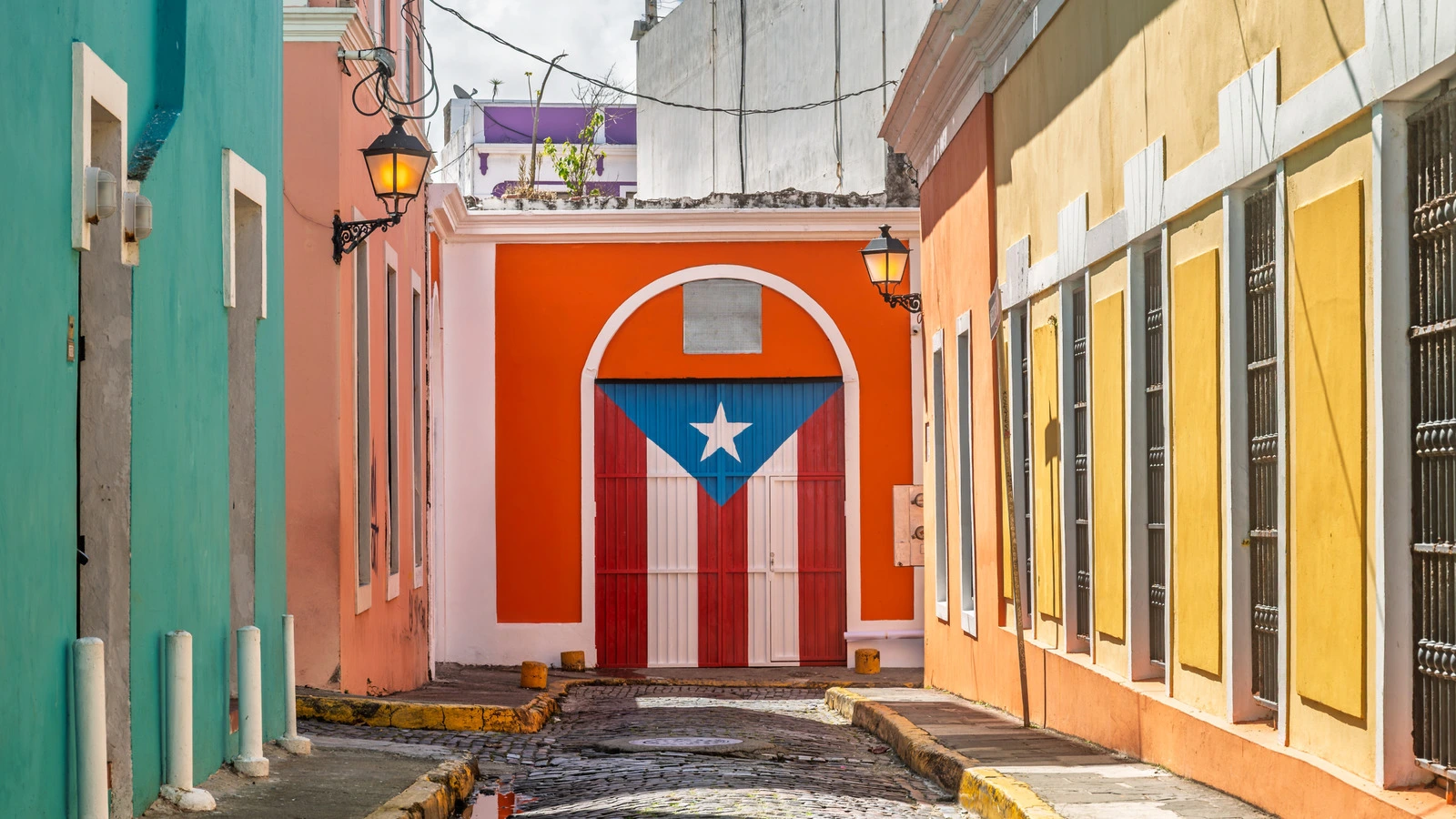
Puerto Rico, an island commonwealth of the United States, has long navigated a complex economic landscape shaped by its unique political status, a crippling debt crisis, and the devastating impacts of natural disasters. In recent years, however, a new dynamic has taken hold: a significant influx of financial speculators and wealthy investors, drawn by what they perceive as unparalleled opportunities. While proponents herald this as a pathway to economic recovery, many residents and observers voice profound concerns about its long-term implications for the island’s social fabric and economic equity.
The allure for these external players stems from a confluence of factors. Following a protracted bankruptcy process that restructured over $70 billion in public debt, Puerto Rico’s distressed assets – from real estate to infrastructure projects – became attractive to investors seeking high returns. Add to this the island’s generous tax incentive laws, particularly Act 20 (now part of Act 60, Export Services Act) and Act 22 (now Act 60, Individual Investors Act), which offer near-total exemption from local income taxes for qualifying businesses and individuals who relocate to the island.
The Promise and Peril of Tax Incentives
Originally conceived in 2012, Acts 20 and 22 were designed to stimulate the Puerto Rican economy by attracting capital and creating jobs. Act 20 offers a low corporate tax rate of 4% on income generated from services exported from Puerto Rico, along with 100% exemption on property taxes for the first five years and 90% thereafter. Act 22, aimed at individual investors, grants a 100% exemption from Puerto Rico income taxes on passive income, such as capital gains, dividends, and interest, for new residents who spend at least 183 days a year on the island.
For individuals and companies accustomed to higher tax burdens in the mainland U.S., these incentives represent a significant draw. The result has been a visible transformation, particularly in urban centers like San Juan, Dorado, and Rincón. Luxury developments are proliferating, and the real estate market has seen a dramatic surge in prices. While some point to increased construction jobs and a boost in local spending from these new residents, the benefits are often viewed as unevenly distributed.
Rising Tides, Rising Tensions
For many long-term Puerto Rican residents, the influx of wealthy newcomers has brought a different set of challenges. Housing costs have skyrocketed, making homeownership and even rental housing increasingly unaffordable for locals whose wages have not kept pace. This phenomenon, often termed "gentrification," threatens to displace established communities, erode cultural identity, and exacerbate the island’s existing inequalities.
The average median home price in some desirable coastal areas has reportedly increased by double-digit percentages year-over-year, far outstripping the income growth of the average Puerto Rican family. This creates a stark contrast between the island's new luxury enclaves and the struggles of its working-class communities, many of whom are still recovering from Hurricane Maria in 2017 and the subsequent earthquakes.
The situation resonates deeply with the Puerto Rican diaspora in New York and across the U.S. Many maintain strong ties to the island, sending remittances and visiting frequently. They witness firsthand the changes and often share the concerns of those on the island, fearing that their ancestral lands are becoming inaccessible to their families and future generations. The perception that Puerto Rico is being "sold off" to external interests is a common grievance, fueling calls for more equitable development policies.
The Shadow of the Oversight Board
Adding another layer of complexity is the presence of the Financial Oversight and Management Board (FOMB), established by the U.S. Congress under the Puerto Rico Oversight, Management, and Economic Stability Act (PROMESA) in 2016. Tasked with restructuring the island's gargantuan debt and restoring fiscal stability, the FOMB has implemented austerity measures and pushed for privatization of public assets and services. While these actions are intended to create a more attractive environment for investment, critics argue they have also created conditions ripe for external speculation, often at the expense of public services and local control.
The FOMB's mandate to balance budgets and attract private capital has, in some views, inadvertently facilitated the very speculative activity that concerns many Puerto Ricans. The drive for "efficiency" and "market solutions" often prioritizes the interests of creditors and investors over the social welfare and housing needs of the local population.
Navigating a Path Forward
The debate surrounding financial speculation in Puerto Rico is multifaceted. Proponents argue that foreign investment is crucial for economic diversification, job creation, and infrastructure development, especially given the island's historical economic struggles and post-disaster recovery efforts. They point to new businesses, renovated properties, and increased tourism as evidence of positive impact.
However, critics contend that the current model of development is unsustainable and inequitable. They advocate for policies that prioritize local entrepreneurship, affordable housing initiatives, and community-led development projects. There is a growing demand for reforms to the tax incentive laws to ensure that benefits are more widely distributed and that new residents contribute more meaningfully to the local economy and social services.
As Puerto Rico continues its journey towards economic stability and self-determination, the challenge lies in harnessing investment for genuine, inclusive growth while safeguarding the island's unique culture and ensuring its future remains in the hands of its people. The New Yorker Herald will continue to monitor this evolving situation, reflecting the voices and concerns of both the island's residents and the robust Puerto Rican community in New York.
Related News
FOMBPR Warns: No Crudita Freeze Without Repayment Plan
 Isabella Romero
June 30, 2026
Isabella Romero
June 30, 2026
Epstein Victim Alleges Puerto Rico Bank Aided Crimes
Isabella Romero
June 27, 2026
Puerto Rico Fortifies Fuel Supply for Hurricane Season
Isabella Romero
June 18, 2026
Dow Jones Highs: What It Means for Puerto Rico's Economy
Isabella Romero
June 17, 2026